www.thinfilmdesigns.com
Blog_02 — HMI Design
Getting Backlight Uniformity Right on the First Build
December 9, 2024 — 5 min read
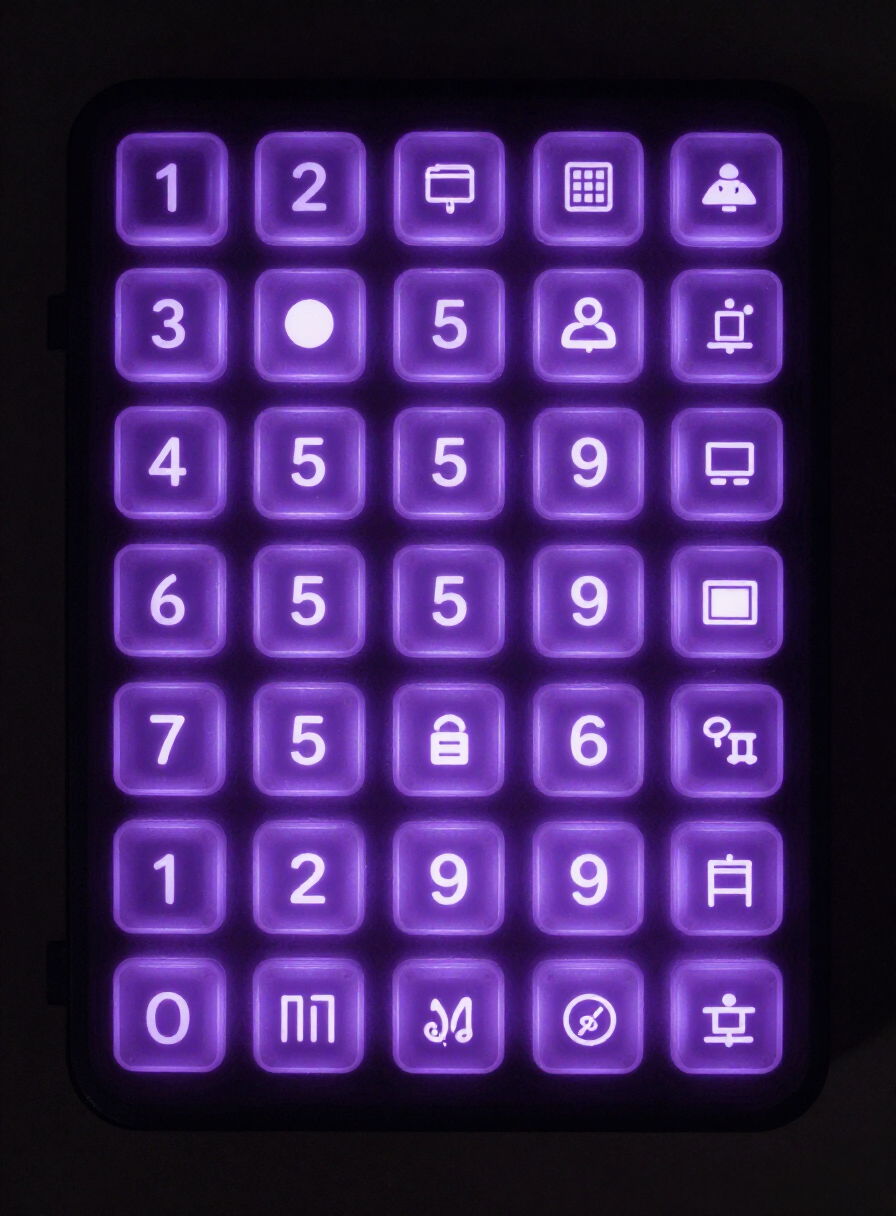
Backlight uniformity is the difference between a keypad that looks engineered and one that looks assembled. The legends light up, the build passes inspection, and the first customer still complains that the lower-left icon glows hotter than the rest.
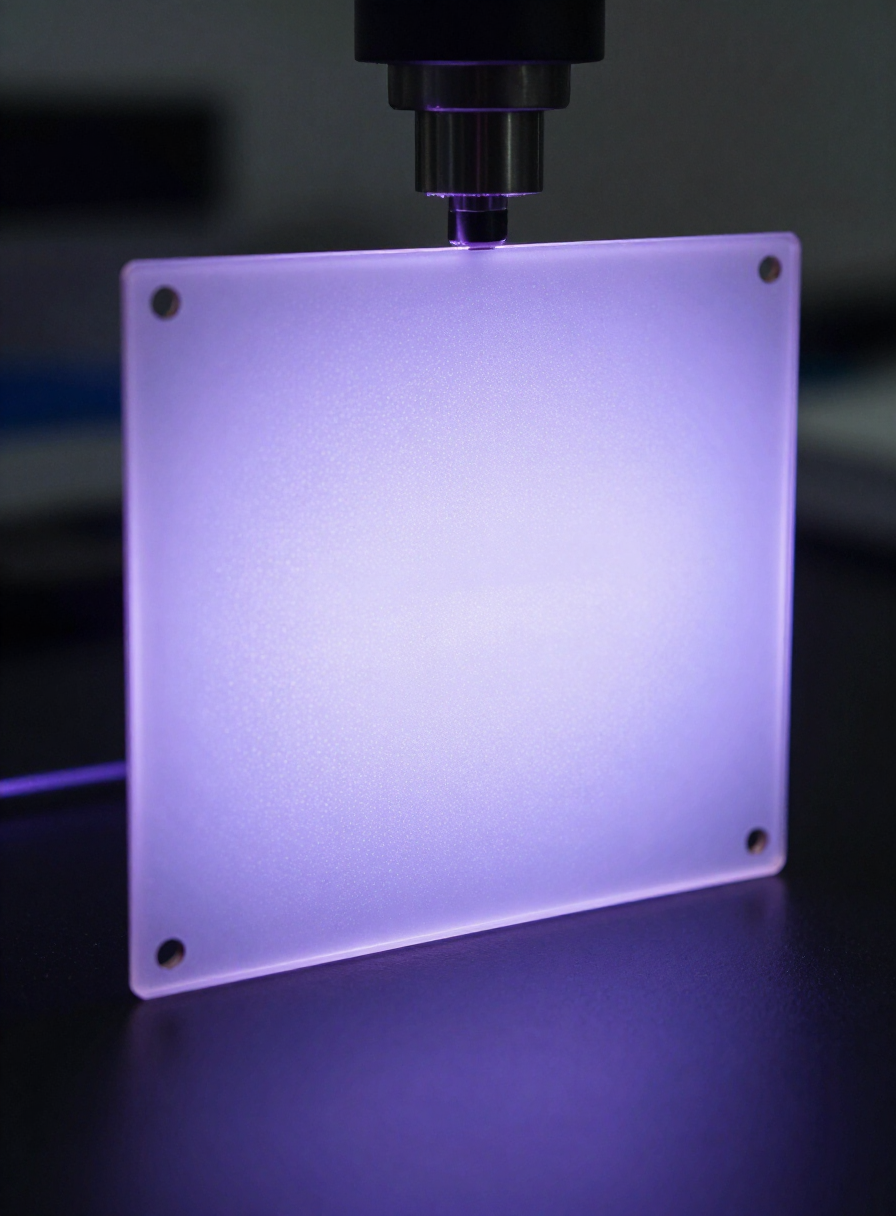
A backlit membrane stack is a system: LED source, light-guide film, diffuser, and the printed overlay that sits on top. Each layer has its own transmission curve, and the uniformity you measure at the surface is the product of all of them — not any one.
A Checklist for Even Legends
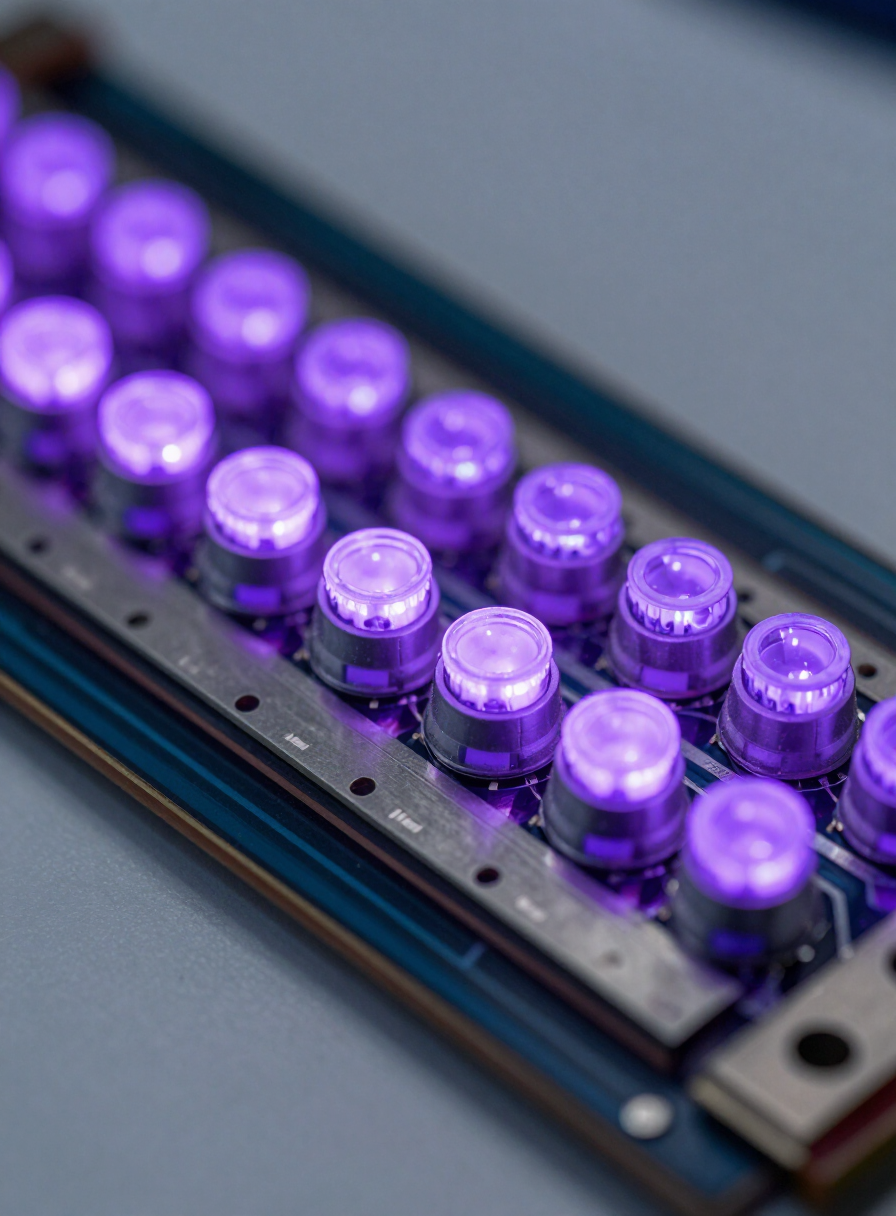
Start with the LED. Pitch is set by the brightest acceptable hot-spot, not by how few LEDs you can get away with. Edge-lit guides want tighter pitch at the corners; array-lit panels want symmetric pitch with a deliberate extraction map underneath.
Next, the light-guide film. The printed dot pattern that extracts light is doing the real work — denser dots where the source is strong, sparser where it is weak. Tune the map to the measured luminance, never to a guess.
Finally, verify with a calibrated luminance probe at every legend position before tooling freezes. A diffuser can hide mottling in a prototype and reveal it across a production run. Document the readings; they are the only proof the stack is balanced.